



What Is the Secret to Dining Chair Comfort?

Find out how proper seat fit, back design, and movement work together as a complete seating system for everyday living.
Families spend a lot of time gathered around the dining table. A quick morning cup of coffee requires basic seating. A three-hour family game night requires something much better. A chair that feels acceptable for a fast breakfast might feel very unwelcoming later in the evening.
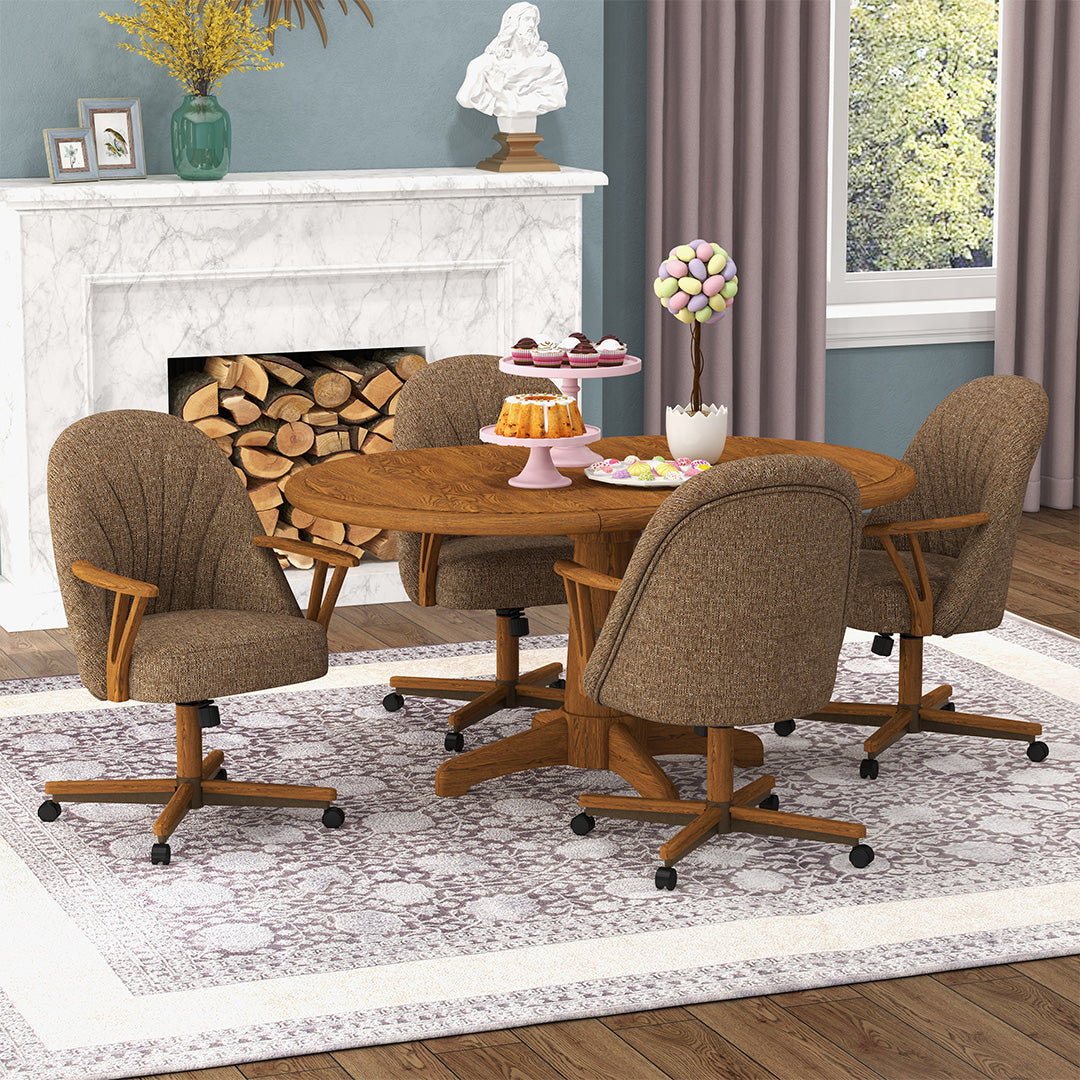
The secret to lasting dining-chair comfort is not one feature alone. It comes from how seat fit, back design, cushion construction, arm support, and movement work together for the intended user. For many active homes, a caster swivel tilt dining chair can bring these elements together in a flexible seating design for everyday dining and longer activities around the table.

The Basics of Sitting Comfort: How to Choose the Right Dining Chair
Finding a suitable chair requires matching the furniture to the intended user and the specific room. You must look at the physical dimensions. A chair with generous padding will still feel uncomfortable if it does not fit the person using it. The relationship between the seat and the backrest directly influences how comfortably a person can maintain a supported posture.
#1 Proper Seat Height
The height of the seat dictates your leg positioning and foot support. When you sit down, the chair should allow you to maintain a comfortable foot and leg position. Your knees should sit at or near hip level. A seat that sits too high leaves your feet without adequate support. A seat that is too low for the user creates a deeper knee angle and may make the sitting position feel less comfortable. Both situations make it difficult to maintain a comfortable posture over time. You must also ensure there is enough room between the top of the seat and the underside of the table apron for comfortable leg movement.
#2 Appropriate Seat Depth
The seat depth measures the distance from the front edge of the cushion to the backrest. This is a very commonly overlooked measurement. If the seat runs too deep, a shorter person cannot comfortably reach the backrest. The front edge of the cushion might press uncomfortably behind their knees. If the seat runs too shallow, taller users miss out on necessary thigh support beneath their legs. Appropriate seat depth allows the user to comfortably use both the seat cushion and the backrest as intended.
#3 Adequate Seat Width
Seat width dictates your personal space. The area between the armrests must allow the user to sit comfortably without feeling restricted. You also have to measure the total outside width of the chair to ensure it fits around your dining table. A chair can have excellent cushioning but still feel uncomfortable if the seat spacing is too narrow for the user.

Why Back Design Matters for Long-Term Sitting
The backrest does much more than provide visual style. It plays a major role in how you sit. A supportive back design encourages natural contact rather than forcing every single user into one rigid sitting position.
#1 Backrest Shape and Contour
The contour of the backrest should follow human proportions. Some chairs feature a slight curve, while others offer a straight profile. The right shape allows you to lean back and relax comfortably during a long conversation or while reading a book.
#2 Backrest Angle
Backrest angle influences how the user maintains contact with the chair. Some people may prefer a more upright back for dining, while others may find a slight backward angle more comfortable during longer activities. The best angle depends on the chair design, seat depth, table height, and individual preference.
#3 The Seat and Back Relationship
The backrest and the seat depth must work together. If the seat is too deep for the intended user, it may be difficult to maintain comfortable contact with the backrest, which can lead to sitting farther forward on the seat. For this reason, the seat dimensions and backrest design should be evaluated together.
Creating a Complete Seating System with Movement
Sitting perfectly still for long periods is rarely comfortable. Humans naturally want to move. Small adjustments help you stay comfortable during long meals, remote work sessions, or craft projects. A caster swivel tilt dining chair allows you to make these natural posture adjustments without standing up or dragging the furniture across the floor.
#1 Swivel Function
A swivel mechanism allows the chair to rotate while the user remains seated. You can turn to speak to a family member in the living room or reach for a dropped napkin. This makes the dining area much more flexible and reduces the need to move the entire chair each time you change direction.
#2 Controlled Tilt
A tilt mechanism allows controlled backward movement as you naturally lean back. This gives you another easy way to adjust your sitting posture during longer activities. The tilt should feel smooth, controlled, and stable throughout its intended range of movement.
#3 Caster Mobility
Casters assist with everyday repositioning on compatible flooring. They may reduce the need to repeatedly lift, slide, or pull the chair when moving toward or away from the table. Performance depends on the caster design, floor finish, area rugs, and flooring transitions.
Matching Chair Features to Everyday Needs
Different activities place different demands on your furniture. Use this quick reference guide to understand how specific features support your daily routines.
|
Activity |
Important Chair Features |
How It Supports You |
|
Long Meals |
Proper seat height, appropriate seat depth, and balanced cushioning. |
Helps you maintain comfortable foot and leg position while enjoying proper back support. |
|
Coffee & Conversation |
Controlled tilt movement and supportive back contact. |
Lets you lean back comfortably and make small posture adjustments. |
|
Game Nights & Puzzles |
Swivel movement and adequate seat width. |
Provides personal space and allows you to reach across the table easily. |
|
Working from the Table |
Appropriate seat height, back support, and table compatibility. |
Helps you sit close to the table while keeping your arms comfortably supported. |
|
Multipurpose Use |
Caster mobility and durable construction. |
Makes repositioning easier across compatible flooring surfaces. |

Understanding Cushion Construction
Comfort should always be viewed as a complete seating system rather than a collection of individual features. This includes the internal construction of the cushion itself. A cushion made from one uniform foam layer provides one general support response, while a layered construction can use foam layers with complementary characteristics to create a more progressive seating feel.
Selected Chromcraft models incorporate a patented multi-layer seat support system. Rather than relying on one uniform foam layer, the construction uses multiple foam layers with complementary support characteristics designed to balance welcoming surface comfort with deeper underlying support and resilience during extended sitting.
When thoughtful cushion construction is combined with proper seat fit and supportive back design, these elements can work together as part of a more complete seating system. For families who use their dining tables as the main hub of the house, a caster swivel tilt dining chair brings all these elements together in one practical package.
A Practical Guide to Testing Your Dining Chair
Reading about chair dimensions is helpful, but testing the chair in person can provide a better understanding of how well it fits the intended user. Whenever possible, the intended user should personally test the furniture for more than a few minutes.
#1 Test the Leg Position
Sit in the chair and check your foot placement. The chair should allow you to maintain a comfortable foot and leg position. Ensure the front edge of the seat does not press behind your knees.
#2 Check the Back Contact
Lean back and see if the backrest feels natural. You should be able to reach the backrest without sliding forward.
#3 Evaluate Table Clearance
If the chair has armrests, compare the armrest height with the lowest edge of the table apron. As a practical guideline, allow at least 2 inches of vertical clearance between the top of the armrest and the lowest edge of the table apron. This allows the chair arms to move comfortably under the table so the chair can be positioned closer to the dining surface.
#4 Test the Movement
If you are trying a caster swivel tilt dining chair, check the swivel and tilt movement. Turn from side to side, then lean back to feel the tilt resistance. On Chromcraft caster swivel tilt dining chairs, the tension adjustment knob allows you to adjust the tilt resistance to your preference. Also check that the casters move smoothly and predictably on a flooring surface similar to the one in your home.
Frequently Asked Questions
Q: How do I measure the correct seat depth for my height?
Sit all the way back against the backrest. You should have a small amount of space between the front edge of the seat cushion and the back of your knees. You should not feel any uncomfortable pressure behind your legs. Appropriate seat depth allows you to use the backrest properly.
Q: Does a taller backrest mean better support?
A high backrest provides a different style and gives a place to rest your upper back or shoulders. A mid-height backrest can provide excellent support for your mid-back. The most important factor is how the shape and angle fit your specific body and sitting preferences.
Q: Why do my legs feel tired after sitting at the dining table?
Seat height and seat depth are two factors that may affect leg comfort during sitting. If the seat is too high for the user, the feet may not have comfortable support; if the seat is too deep, the front edge may place unwanted pressure behind the knees. When testing a chair, look for a seat height and depth that allow a comfortable foot and leg position without pressure behind the knees.
Q: How does a tilting function help with comfort?
A tilt function provides controlled backward movement. Instead of sitting rigidly in one spot, you can lean back slightly during a conversation. This provides another way to change sitting position during longer meals, conversations, or other activities around the table.
Q: Can I use a rolling chair on carpet?
Performance varies based on the caster design, the rug thickness, the rug edges, and the carpet pile. Low-pile, firmly secured rugs generally work better than thick or loose rugs. Always check the chair manufacturer recommendations and the flooring care guidelines to confirm compatibility.
Q: Should my lower back touch the chair at all times?
It is helpful to have comfortable contact with the lower portion of the backrest to maintain a supported posture. If you find yourself sliding forward to reach the table, the chair might sit too far away, or the seat depth might be too deep for your frame.
Q: How wide should the space between armrests be?
The usable seat width should give you enough room to sit comfortably without your hips or thighs pressing tightly against the armrests. You should feel secure but never restricted. You must also ensure the total outside width fits your table spacing.
Q: Are fixed chairs better for small rooms?
Fixed chairs often have a smaller footprint because they do not require extra clearance for rotation, tilting, or rolling. If your dining room has very tight spacing, fixed chairs might fit better around the table.
Final Thoughts
Finding the right seating solution requires looking at how the seat fits, how the back supports you, and how the chair moves. The most appropriate dining chair is the one that best matches the intended user, dining table, room layout, flooring, and everyday activities.
With roots dating back to 1908, Chromcraft has a long history in American furniture manufacturing and seating engineering. For generations, Chromcraft has been known for caster swivel tilt dining seating designed around comfort, controlled movement, construction quality, and everyday living. Over its history, the company has produced millions of chairs for homes across America.
A thoughtfully designed caster swivel tilt dining chair can provide additional flexibility for everyday dining by combining supportive seating with controlled movement and convenient repositioning. Reflecting this long-standing focus on seating design and everyday comfort, Chromcraft was recently featured in Reader’s Digest, highlighting the company’s history, caster swivel tilt seating, and focus on everyday comfort.
—
Ready to Compare Dining Chairs?
Explore Chromcraft's Dining Chair Collections to compare dimensions, movement features, upholstery options, and model-specific designs. You can also use our Dealer Locator to experience selected models in person and determine which chair best fits your home and everyday lifestyle.